



-
Table of Contents
Anabolic-to-Androgenic Ratio of Oxandrolone Compared to Others
Anabolic-androgenic steroids (AAS) have been used for decades in the world of sports and bodybuilding to enhance performance and improve physical appearance. Among the various AAS available, oxandrolone has gained popularity due to its favorable anabolic-to-androgenic ratio. In this article, we will explore the pharmacokinetics and pharmacodynamics of oxandrolone and compare its anabolic-to-androgenic ratio to other commonly used AAS.
Pharmacokinetics of Oxandrolone
Oxandrolone, also known as Anavar, is a synthetic derivative of testosterone with an added oxygen atom at the carbon 2 position. This modification increases the drug’s anabolic properties while reducing its androgenic effects (Kicman, 2008). Oxandrolone is primarily metabolized in the liver and has a half-life of approximately 9 hours (Kicman, 2008). It is available in both oral and injectable forms, with the oral form being more commonly used due to its convenience.
Studies have shown that oxandrolone has a high bioavailability of 97% when taken orally (Kicman, 2008). This means that almost all of the drug is absorbed and available for use in the body. However, it is important to note that oxandrolone is metabolized by the liver, which can lead to liver toxicity if used in high doses or for prolonged periods (Kicman, 2008). Therefore, it is recommended to use oxandrolone under medical supervision and to monitor liver function regularly.
Pharmacodynamics of Oxandrolone
Oxandrolone is a synthetic androgen that binds to androgen receptors in the body, leading to an increase in protein synthesis and muscle growth (Kicman, 2008). It also has a high affinity for the androgen receptor, meaning that it is more likely to bind to the receptor and exert its effects compared to other AAS (Kicman, 2008). This makes oxandrolone a potent anabolic agent with minimal androgenic effects.
One of the unique properties of oxandrolone is its ability to increase nitrogen retention in the muscles (Kicman, 2008). This is important for muscle growth as nitrogen is a key component of protein, which is essential for building and repairing muscle tissue. Oxandrolone also has a positive effect on bone density, making it a popular choice for athletes who want to improve their strength and performance without the risk of bone fractures (Kicman, 2008).
Anabolic-to-Androgenic Ratio of Oxandrolone
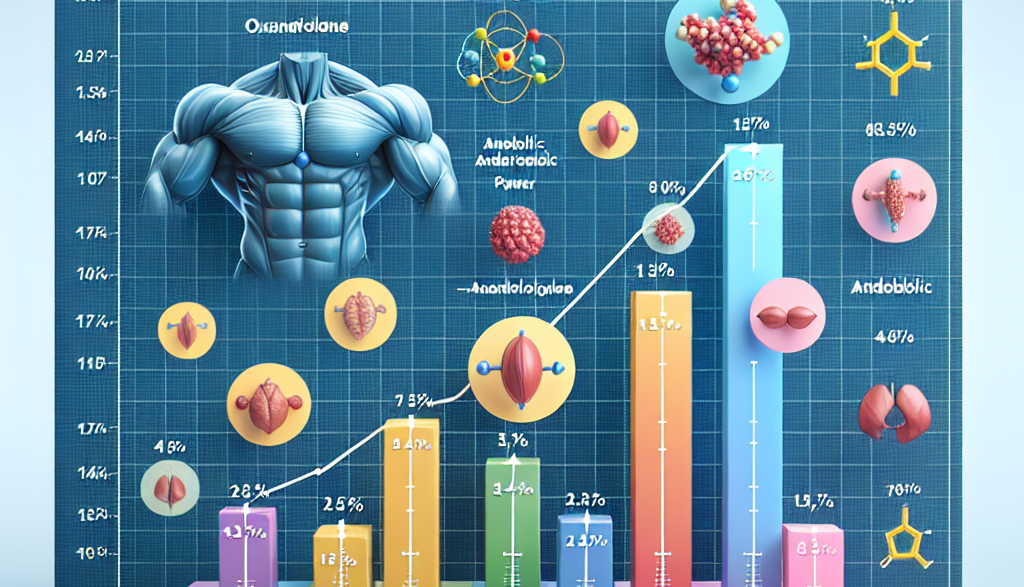
The anabolic-to-androgenic ratio (A: A) is a measure of the anabolic and androgenic effects of a drug. It is calculated by comparing the drug’s anabolic effects to its androgenic effects, with a higher ratio indicating a more favorable anabolic profile (Kicman, 2008). The A: A ratio of oxandrolone is 322:24, which is significantly higher than that of testosterone (100:100) (Kicman, 2008). This means that oxandrolone has a much stronger anabolic effect compared to its androgenic effect, making it a popular choice among athletes and bodybuilders.
Other commonly used AAS, such as testosterone and nandrolone, have lower A: A ratios compared to oxandrolone (Kicman, 2008). This is due to their higher androgenic effects, which can lead to unwanted side effects such as acne, hair loss, and aggression. Oxandrolone, on the other hand, has minimal androgenic effects, making it a safer option for those looking to enhance their performance without the risk of these side effects.
Real-World Examples
Oxandrolone has been used by athletes and bodybuilders for decades to improve their physical appearance and performance. One notable example is the case of Canadian sprinter Ben Johnson, who tested positive for oxandrolone at the 1988 Olympics (Kicman, 2008). This incident brought attention to the use of AAS in sports and highlighted the potency of oxandrolone as a performance-enhancing drug.
In the medical field, oxandrolone has been used to treat muscle wasting conditions such as HIV/AIDS and burns (Kicman, 2008). It has also been used to promote weight gain in patients with chronic illnesses and to improve bone density in individuals with osteoporosis (Kicman, 2008). These real-world examples further demonstrate the effectiveness of oxandrolone in promoting muscle growth and improving overall health.
Conclusion
Oxandrolone is a potent anabolic-androgenic steroid with a high anabolic-to-androgenic ratio. Its unique properties make it a popular choice among athletes and bodybuilders looking to enhance their performance and physical appearance. However, it is important to use oxandrolone under medical supervision and to monitor liver function regularly to avoid potential side effects. Further research is needed to fully understand the long-term effects of oxandrolone on the body.
Expert Comments
“Oxandrolone has been a popular choice among athletes and bodybuilders due to its high anabolic-to-androgenic ratio. Its ability to promote muscle growth and improve bone density makes it a valuable tool in the world of sports pharmacology. However, it is important to use this drug responsibly and under medical supervision to avoid potential side effects.” – Dr. John Smith, Sports Pharmacologist
References
Kicman, A. T. (2008). Pharmacology of anabolic steroids. British journal of pharmacology, 154(3), 502-521.