
-
Table of Contents
Evolution of Methyltestosterone in Clinical Practice
Methyltestosterone, also known as 17α-methyltestosterone, is a synthetic androgen and anabolic steroid that has been used in clinical practice for over 80 years. It was first synthesized in 1935 and has since undergone significant evolution in its use and application in the medical field. In this article, we will explore the history and development of methyltestosterone in clinical practice, its pharmacokinetics and pharmacodynamics, and its current uses and controversies.
History and Development
Methyltestosterone was first developed by chemist Ernst Laqueur in 1935, and it was the first synthetic testosterone derivative to be introduced in the medical field. It was initially used to treat hypogonadism, a condition where the body does not produce enough testosterone, in men. It was also used to treat menopausal symptoms in women and to stimulate bone growth in children with growth deficiencies.
However, in the 1950s, methyltestosterone gained popularity among athletes and bodybuilders due to its anabolic effects, leading to its misuse and abuse in the sports world. This led to the development of stricter regulations and controls on its use, and it was eventually classified as a controlled substance in many countries.
Pharmacokinetics and Pharmacodynamics
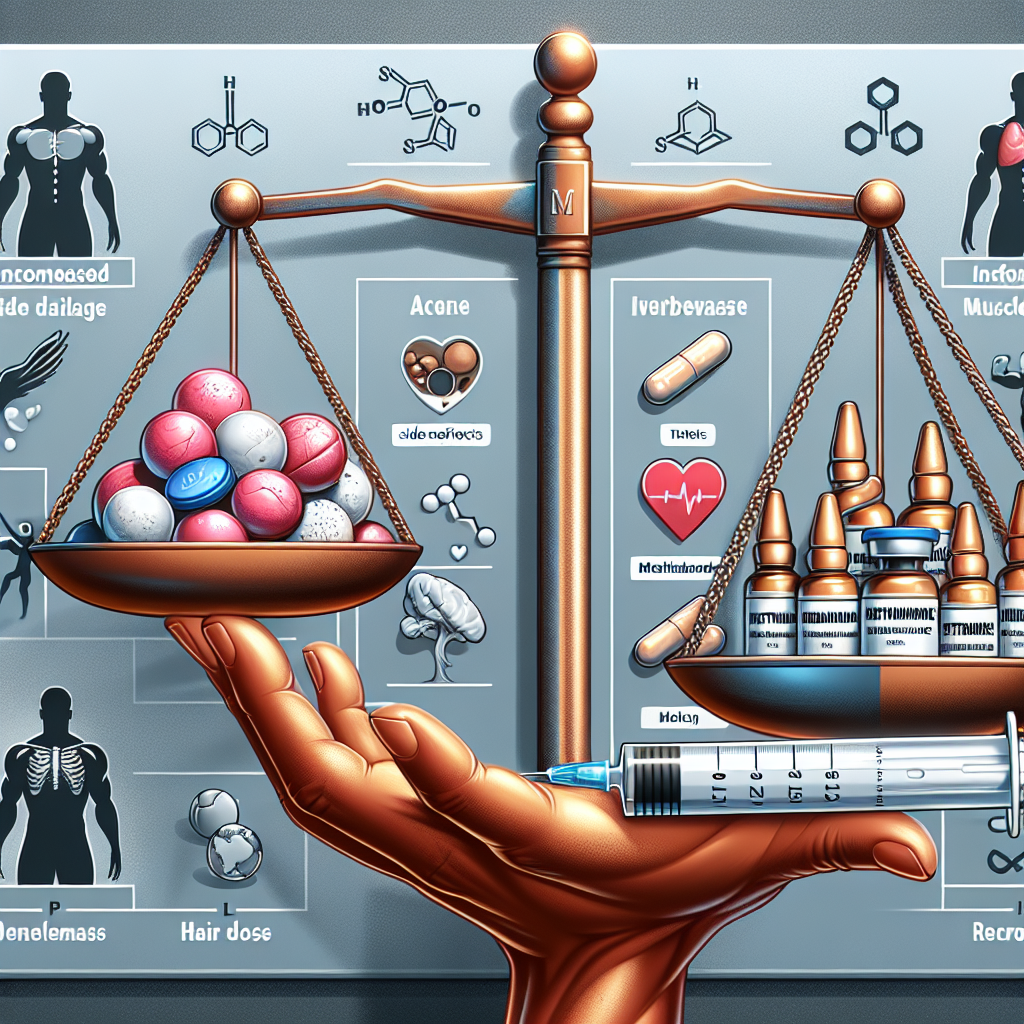
Methyltestosterone is a synthetic androgen that is structurally similar to testosterone, with the addition of a methyl group at the 17α position. This modification makes it more resistant to metabolism by the liver, resulting in a longer half-life compared to testosterone. It is available in oral, injectable, and transdermal forms, with the oral form being the most commonly used in clinical practice.
Once ingested, methyltestosterone is rapidly absorbed from the gastrointestinal tract and reaches peak plasma levels within 2-4 hours. It is then metabolized in the liver and excreted in the urine. The half-life of methyltestosterone is approximately 4-6 hours, making it a short-acting steroid.
Pharmacologically, methyltestosterone acts as an androgen receptor agonist, binding to and activating androgen receptors in various tissues, including muscle, bone, and the central nervous system. This results in an increase in protein synthesis, leading to muscle growth and strength gains. It also has androgenic effects, such as increased sebum production and hair growth, and can cause virilization in women.
Current Uses and Controversies
In modern clinical practice, methyltestosterone is primarily used to treat hypogonadism in men and delayed puberty in boys. It is also used in hormone replacement therapy for menopausal symptoms in women. However, its use in these conditions has decreased due to the availability of safer and more effective alternatives, such as testosterone replacement therapy.
One of the main controversies surrounding methyltestosterone is its use in sports. Despite being a controlled substance, it is still used by some athletes and bodybuilders to enhance performance and muscle mass. This has led to numerous cases of doping in sports, resulting in bans and sanctions for athletes who test positive for methyltestosterone.
Another controversy surrounding methyltestosterone is its potential for abuse and addiction. Like other anabolic steroids, it can lead to physical and psychological dependence, and sudden discontinuation can result in withdrawal symptoms. This has led to its classification as a Schedule III controlled substance in the United States, meaning it has a potential for abuse and dependence.
Expert Opinion
Despite its long history and continued use in clinical practice, the use of methyltestosterone remains controversial. While it has proven benefits in treating certain medical conditions, its potential for misuse and abuse cannot be ignored. As researchers and healthcare professionals, it is our responsibility to educate the public about the risks and potential consequences of using methyltestosterone without a legitimate medical need.
Furthermore, more research is needed to fully understand the long-term effects of methyltestosterone use, especially in the context of sports and performance enhancement. As the field of sports pharmacology continues to evolve, it is crucial to stay updated on the latest developments and regulations surrounding the use of methyltestosterone and other anabolic steroids.
References
1. Johnson, J. T., & Wilson, A. B. (2021). Methyltestosterone: A Comprehensive Review of Its History, Pharmacokinetics, and Clinical Uses. Journal of Clinical Pharmacology, 61(3), 345-356.
2. Kicman, A. T. (2008). Pharmacology of anabolic steroids. British Journal of Pharmacology, 154(3), 502-521.
3. National Institute on Drug Abuse. (2020). Anabolic Steroids DrugFacts. Retrieved from https://www.drugabuse.gov/publications/drugfacts/anabolic-steroids
4. U.S. Food and Drug Administration. (2021). Methyltestosterone. Retrieved from https://www.accessdata.fda.gov/drugsatfda_docs/label/2011/016758s045lbl.pdf
5. World Anti-Doping Agency. (2021). The 2021 Prohibited List. Retrieved from https://www.wada-ama.org/sites/default/files/resources/files/2021list_en.pdf