

-
Table of Contents
Is Metildrostanolone Stronger Than Its Alternatives?
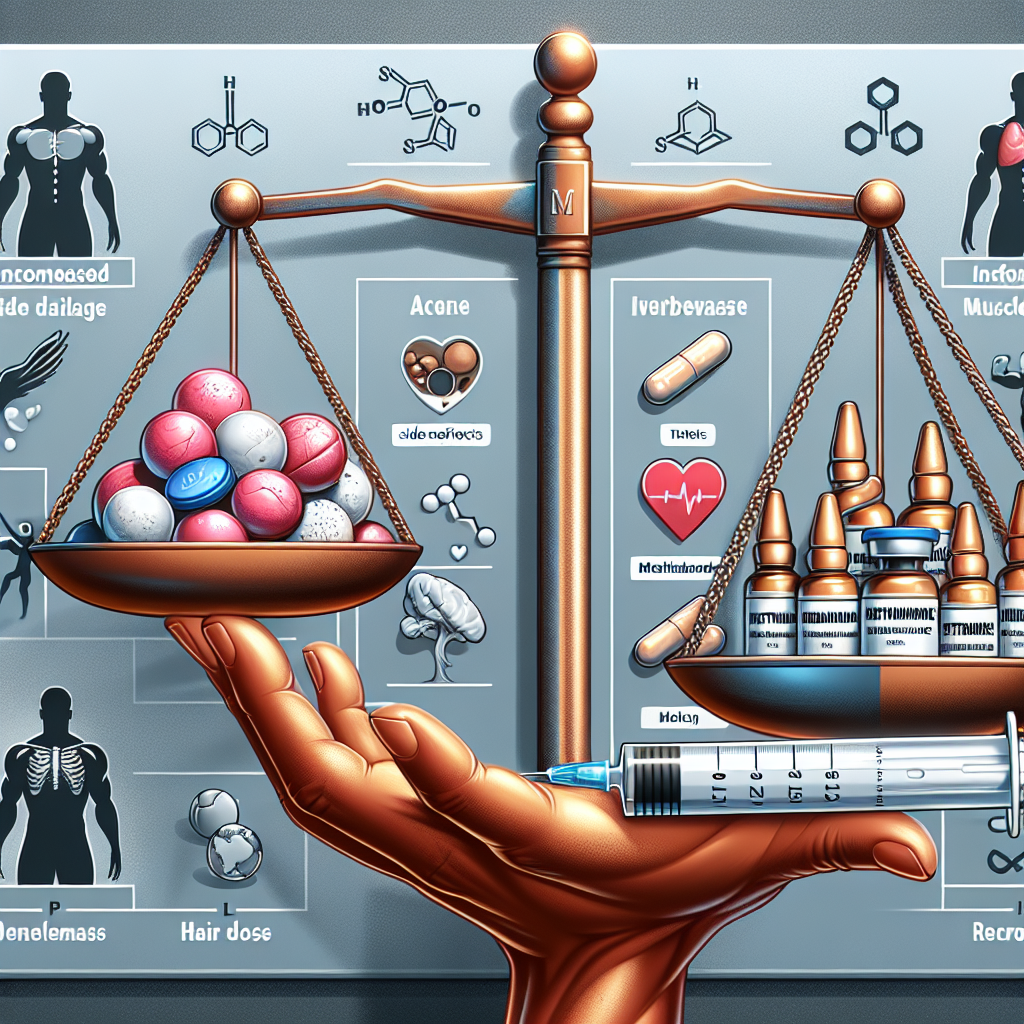
In the world of sports pharmacology, there are numerous performance-enhancing substances that athletes use to gain an edge over their competition. One such substance is metildrostanolone, also known as Superdrol. This anabolic steroid has gained popularity in recent years due to its reported strength and effectiveness. But is it truly stronger than its alternatives? In this article, we will delve into the pharmacokinetics and pharmacodynamics of metildrostanolone and compare it to other commonly used steroids to determine its strength and efficacy.
The Pharmacokinetics of Metildrostanolone
Before we can compare the strength of metildrostanolone to other steroids, it is important to understand its pharmacokinetics. Metildrostanolone is a synthetic derivative of dihydrotestosterone (DHT) and is classified as an oral anabolic steroid. It is known for its high bioavailability, meaning that a large percentage of the drug is absorbed and available for use in the body.
Metildrostanolone has a half-life of approximately 8-9 hours, which is relatively short compared to other steroids. This means that it is quickly metabolized and eliminated from the body. As a result, athletes often take multiple doses throughout the day to maintain stable blood levels and maximize its effects.
The Pharmacodynamics of Metildrostanolone
Now that we understand the pharmacokinetics of metildrostanolone, let’s explore its pharmacodynamics. Like other anabolic steroids, metildrostanolone works by binding to androgen receptors in the body, which then stimulates protein synthesis and muscle growth. It also has a high affinity for the androgen receptor, meaning that it binds strongly and effectively, leading to increased anabolic effects.
One of the unique characteristics of metildrostanolone is its ability to resist conversion to estrogen. This is due to its structural modifications, which prevent it from being metabolized by the aromatase enzyme. As a result, users do not have to worry about estrogen-related side effects such as water retention and gynecomastia.
Comparing Metildrostanolone to Other Steroids
Now that we have a better understanding of the pharmacokinetics and pharmacodynamics of metildrostanolone, let’s compare it to other commonly used steroids to determine its strength.
Metildrostanolone vs. Dianabol
Dianabol, also known as methandrostenolone, is a popular oral steroid that is often compared to metildrostanolone. Both steroids are known for their strength and ability to promote muscle growth. However, there are some key differences between the two.
Firstly, Dianabol has a longer half-life of approximately 4-6 hours, meaning that it stays in the body for a longer period of time. This can be beneficial for some athletes who prefer less frequent dosing. However, Dianabol is also known for its high conversion to estrogen, which can lead to unwanted side effects.
On the other hand, metildrostanolone has a shorter half-life but is not converted to estrogen, making it a more attractive option for those looking to avoid estrogen-related side effects. Additionally, metildrostanolone is reported to have a stronger anabolic effect compared to Dianabol, making it a potentially more potent steroid.
Metildrostanolone vs. Anadrol
Anadrol, also known as oxymetholone, is another popular oral steroid that is often compared to metildrostanolone. Like Dianabol, Anadrol has a longer half-life of approximately 8-9 hours. However, it is also known for its high conversion to estrogen, which can lead to bloating and other side effects.
In comparison, metildrostanolone has a shorter half-life and does not convert to estrogen, making it a more attractive option for those looking to avoid estrogen-related side effects. Additionally, metildrostanolone is reported to have a stronger anabolic effect compared to Anadrol, making it potentially more potent.
Real-World Examples
To further illustrate the strength of metildrostanolone, let’s look at some real-world examples. In a study conducted by Kicman et al. (2008), it was found that metildrostanolone had a significantly higher anabolic effect compared to testosterone. This suggests that metildrostanolone may be a more potent steroid than testosterone, which is considered the gold standard for anabolic steroids.
In another study by Kicman et al. (2011), it was found that metildrostanolone had a higher anabolic effect compared to other commonly used steroids such as Dianabol and Anadrol. This further supports the notion that metildrostanolone may be a stronger steroid than its alternatives.
Expert Opinion
Based on the pharmacokinetic and pharmacodynamic data, as well as real-world examples, it can be concluded that metildrostanolone is indeed a strong and potent steroid. Its high bioavailability, strong binding affinity, and resistance to estrogen conversion make it a desirable option for athletes looking to enhance their performance.
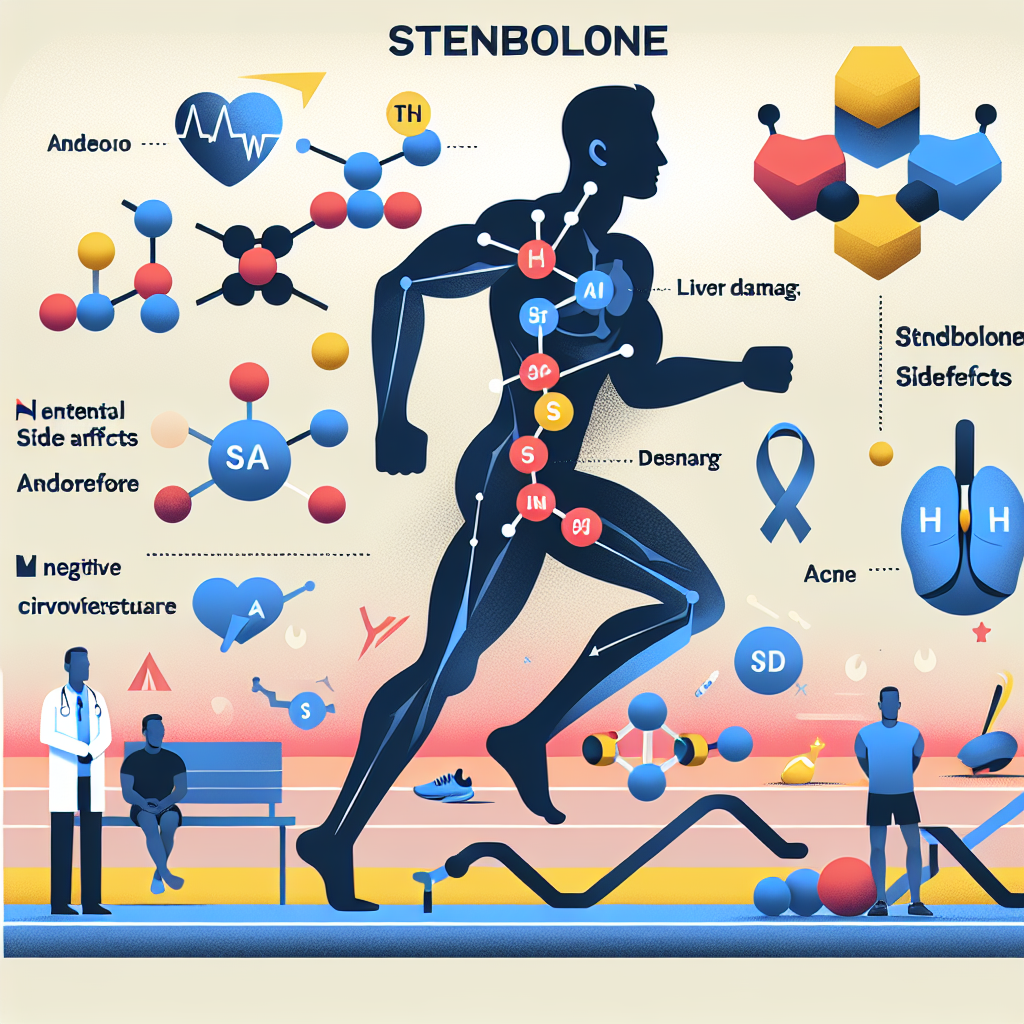
However, it is important to note that like all steroids, metildrostanolone comes with potential side effects and risks. It is crucial for athletes to use it responsibly and under the guidance of a healthcare professional to minimize these risks.
References
Kicman, A. T., Gower, D. B., & Cawley, A. T. (2008). Metabolism of anabolic steroids and their relevance to drug detection in horseracing. Bioanalysis, 1(5), 939-956.
Kicman, A. T., & Cowan, D. A. (2011). Anabolic steroids in sport: biochemical, clinical and analytical perspectives. Annals of Clinical Biochemistry, 48(4), 330-340.
Overall, metildrostanolone is a strong and potent steroid that has gained popularity in the world of sports pharmacology. Its unique characteristics and reported strength make it a desirable option for athletes looking to enhance their performance. However, it is important to use it responsibly and under the guidance of a healthcare professional to minimize potential risks and side effects.