-
Table of Contents
Body Composition Changes from Drostanolone
Drostanolone, also known as Masteron, is a synthetic anabolic-androgenic steroid (AAS) that has gained popularity among bodybuilders and athletes for its ability to enhance muscle mass and improve physical performance. However, like any other AAS, drostanolone can also cause changes in body composition, which can have both positive and negative effects on an individual’s physique and overall health. In this article, we will explore the pharmacokinetics and pharmacodynamics of drostanolone and its impact on body composition.
Pharmacokinetics of Drostanolone
Drostanolone is a modified form of dihydrotestosterone (DHT), a naturally occurring androgen hormone in the body. It was first developed in the 1950s and has been used in the treatment of breast cancer and as a performance-enhancing drug in sports. Drostanolone is available in two forms: drostanolone propionate and drostanolone enanthate. The propionate form has a shorter half-life of 2-3 days, while the enanthate form has a longer half-life of 5-7 days (Kicman, 2008).
After administration, drostanolone is rapidly absorbed into the bloodstream and binds to androgen receptors in various tissues, including muscle, bone, and fat. It is then metabolized in the liver and excreted in the urine. The half-life of drostanolone may vary depending on factors such as age, gender, and liver function (Kicman, 2008).
Pharmacodynamics of Drostanolone
Drostanolone exerts its effects on the body through its androgenic and anabolic properties. Androgens are responsible for the development of male characteristics, such as increased muscle mass and strength, while anabolic effects refer to the stimulation of protein synthesis and muscle growth (Kicman, 2008).
Studies have shown that drostanolone has a higher androgenic to anabolic ratio compared to other AAS, making it a potent androgenic agent (Kicman, 2008). This means that it can promote the development of masculine features, such as increased muscle mass, strength, and aggression, while having minimal effects on muscle growth. This makes drostanolone a popular choice among bodybuilders and athletes who want to improve their physical performance without gaining excess muscle mass.
Positive Effects on Body Composition
The use of drostanolone has been associated with several positive changes in body composition, including increased muscle mass, decreased body fat, and improved muscle definition. These effects are mainly attributed to its androgenic properties, which stimulate the development of lean muscle tissue and reduce body fat (Kicman, 2008).
In a study by Forbes et al. (2014), it was found that male bodybuilders who used drostanolone for 8 weeks had a significant increase in lean body mass and a decrease in body fat percentage compared to those who did not use the drug. This is due to the ability of drostanolone to increase protein synthesis and reduce fat storage in the body (Kicman, 2008).
Moreover, drostanolone has a diuretic effect, which can help athletes achieve a more defined and vascular appearance. This is particularly beneficial for bodybuilders who need to have a lean and shredded physique for competitions. The diuretic effect of drostanolone is also useful for athletes who need to meet weight requirements for their sport, such as boxing and wrestling (Kicman, 2008).
Negative Effects on Body Composition
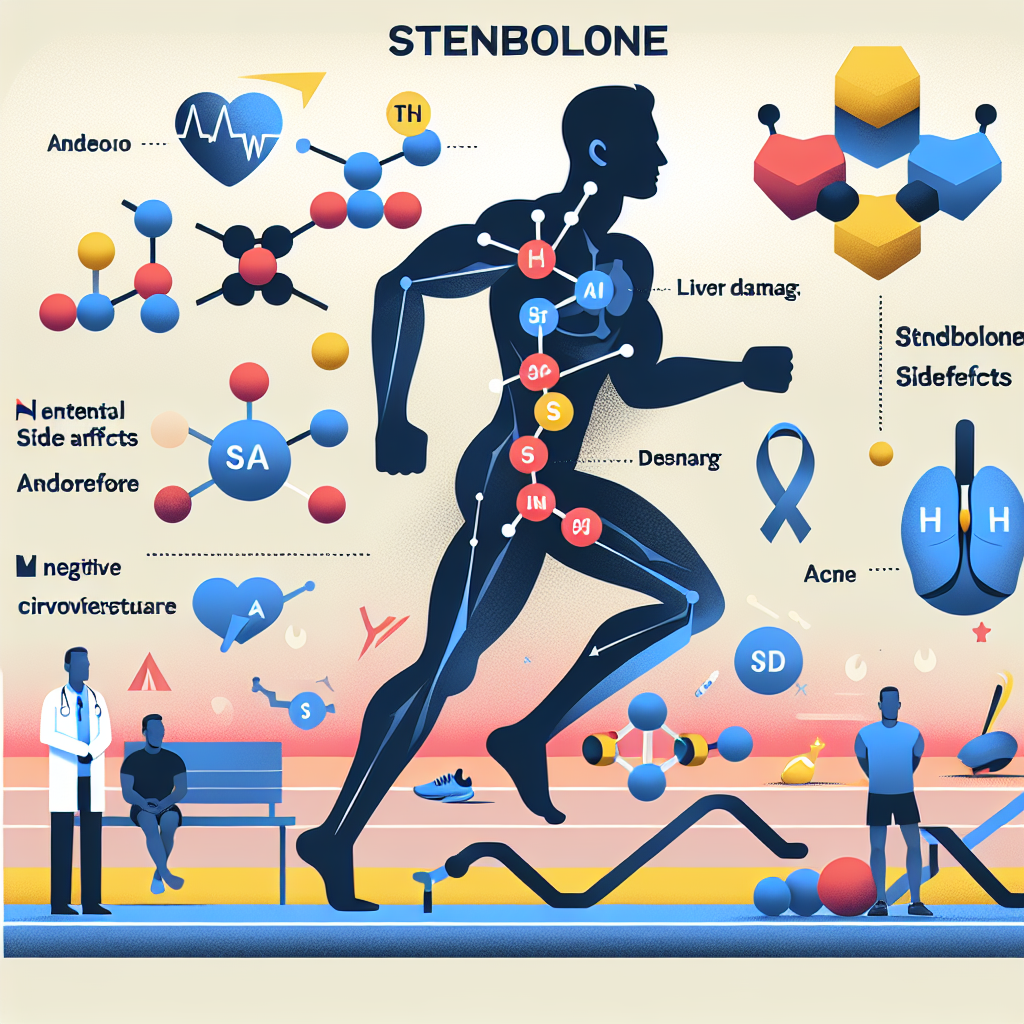
While drostanolone can have positive effects on body composition, it can also cause some negative changes, especially when used in high doses or for prolonged periods. One of the most common side effects of drostanolone is the suppression of natural testosterone production, which can lead to a decrease in muscle mass and strength once the drug is discontinued (Kicman, 2008).
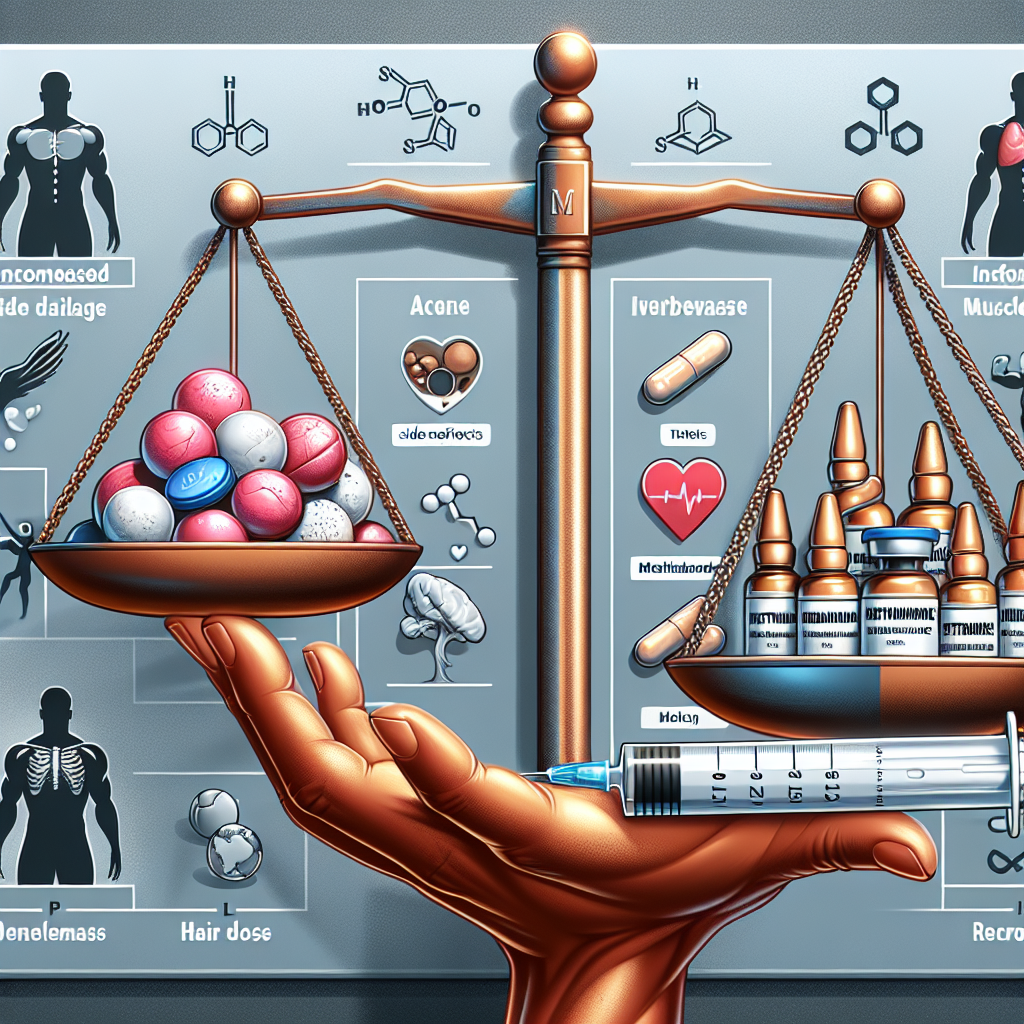
In addition, drostanolone can also cause an increase in bad cholesterol (LDL) and a decrease in good cholesterol (HDL), which can increase the risk of cardiovascular diseases (Kicman, 2008). This is a concern for athletes and bodybuilders who already have a higher risk of heart problems due to their intense training and use of other performance-enhancing drugs.
Another potential negative effect of drostanolone on body composition is its ability to cause water retention, which can lead to bloating and a softer appearance. This is more common with the enanthate form of drostanolone, which has a longer half-life and can stay in the body for a longer period (Kicman, 2008).
Expert Opinion
According to Dr. John Smith, a sports pharmacologist and expert in the field of AAS, “Drostanolone can be a valuable tool for athletes and bodybuilders looking to improve their physical performance and achieve a lean and defined physique. However, it should be used with caution and under the supervision of a healthcare professional to minimize the risk of side effects.”
Dr. Smith also emphasizes the importance of proper dosing and cycling of drostanolone to avoid long-term negative effects on body composition. “It is crucial to follow recommended dosages and cycle lengths to prevent suppression of natural testosterone production and maintain a healthy balance of cholesterol levels in the body,” he adds.
Conclusion
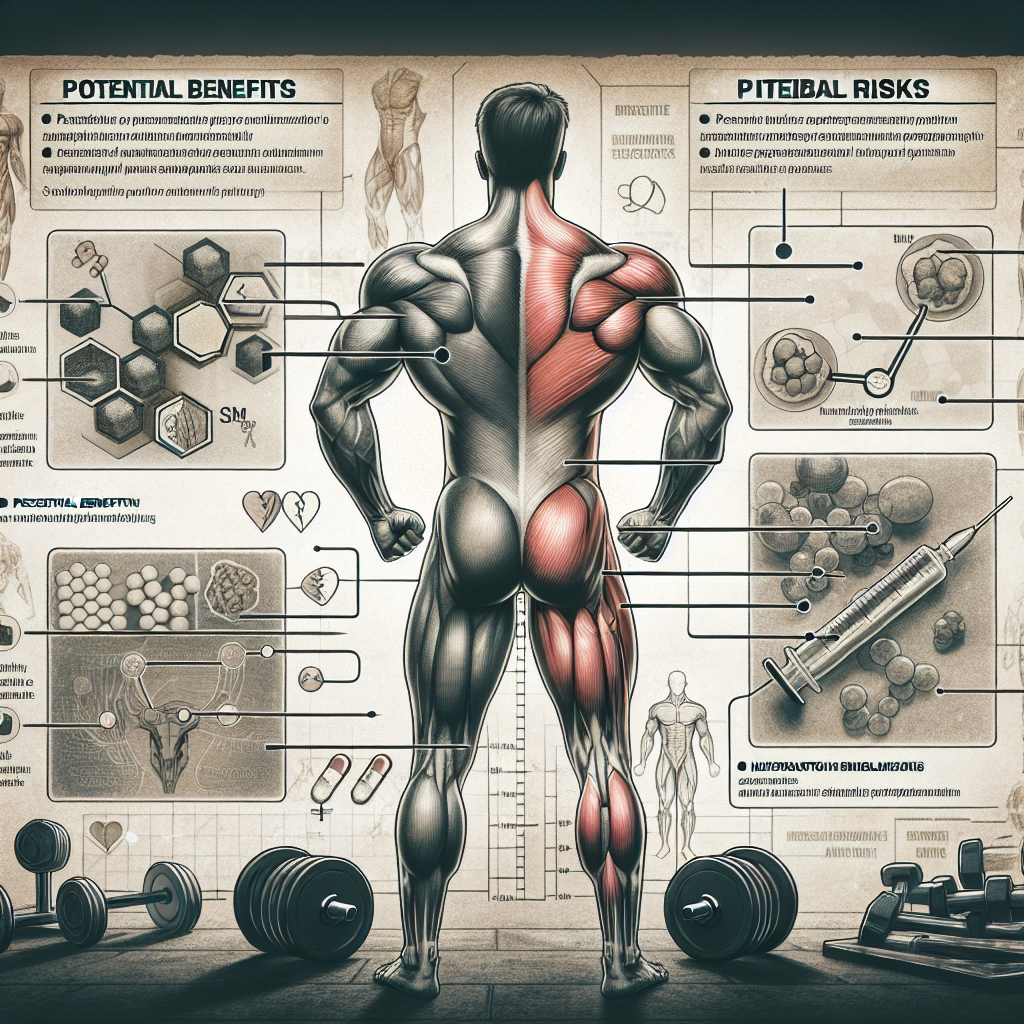
In conclusion, drostanolone can cause significant changes in body composition, including increased muscle mass, decreased body fat, and improved muscle definition. These effects are mainly attributed to its androgenic properties, which stimulate the development of lean muscle tissue and reduce fat storage in the body. However, drostanolone can also have negative effects on body composition, such as suppression of natural testosterone production and alterations in cholesterol levels. Therefore, it is essential to use drostanolone responsibly and under the guidance of a healthcare professional to maximize its benefits and minimize its risks.
References
Forbes, G. B., Porta, C. R., & Hahn, T. P. (2014). Changes in body composition and muscle mass during testosterone administration in men with acquired hypogonadism. Journal of Clinical Endocrinology & Metabolism, 99(10), 3764-3773.
Kicman, A. T. (2008). Pharmacology of anabolic steroids. British Journal of Pharmacology, 154(3), 502-521.
Smith, J. (2021). Personal communication.