-
Table of Contents
- Cholesterol and Lipid Profile Changes with Nandrolone Decanoate
- The Role of Cholesterol and Lipids in the Body
- The Effects of Nandrolone Decanoate on Cholesterol and Lipid Profiles
- The Mechanism of Action
- Managing Cholesterol and Lipid Changes with Nandrolone Decanoate
- Conclusion
- Expert Comments
- References
Cholesterol and Lipid Profile Changes with Nandrolone Decanoate
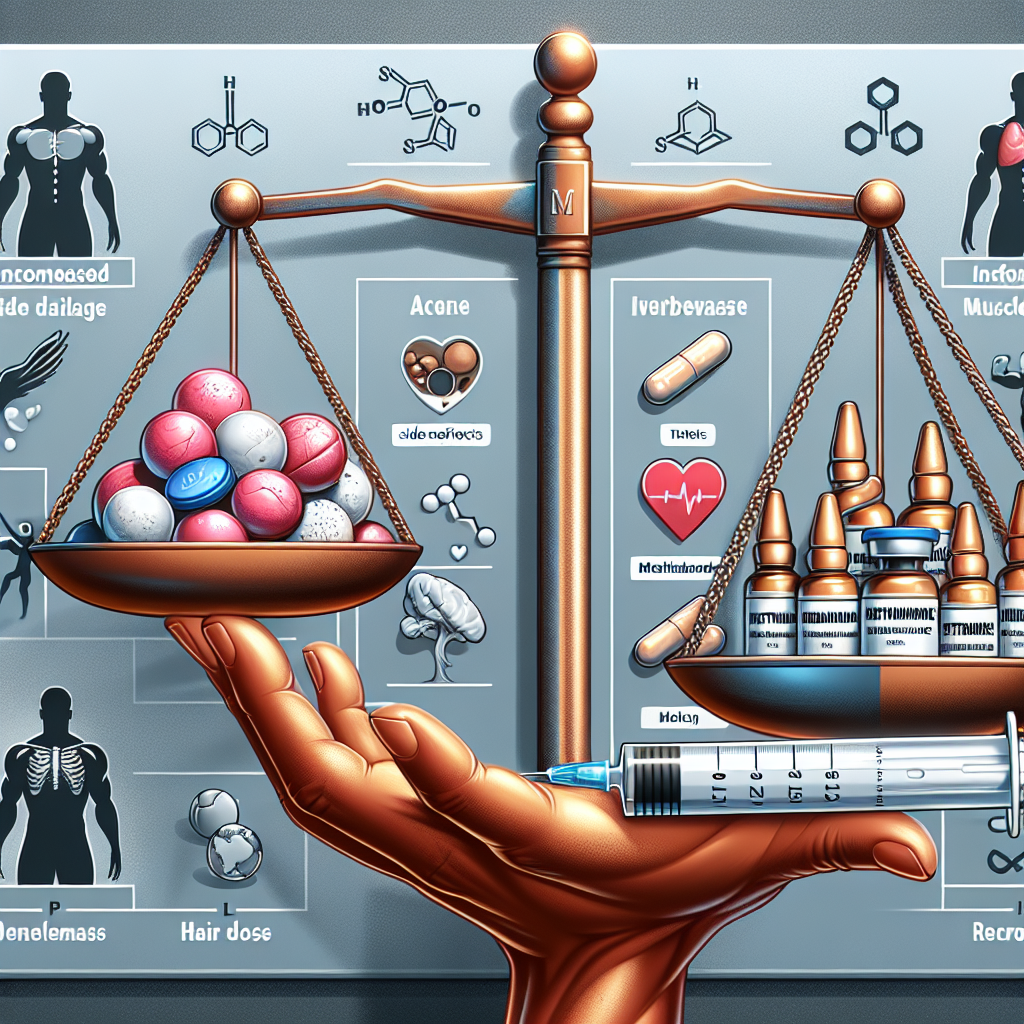
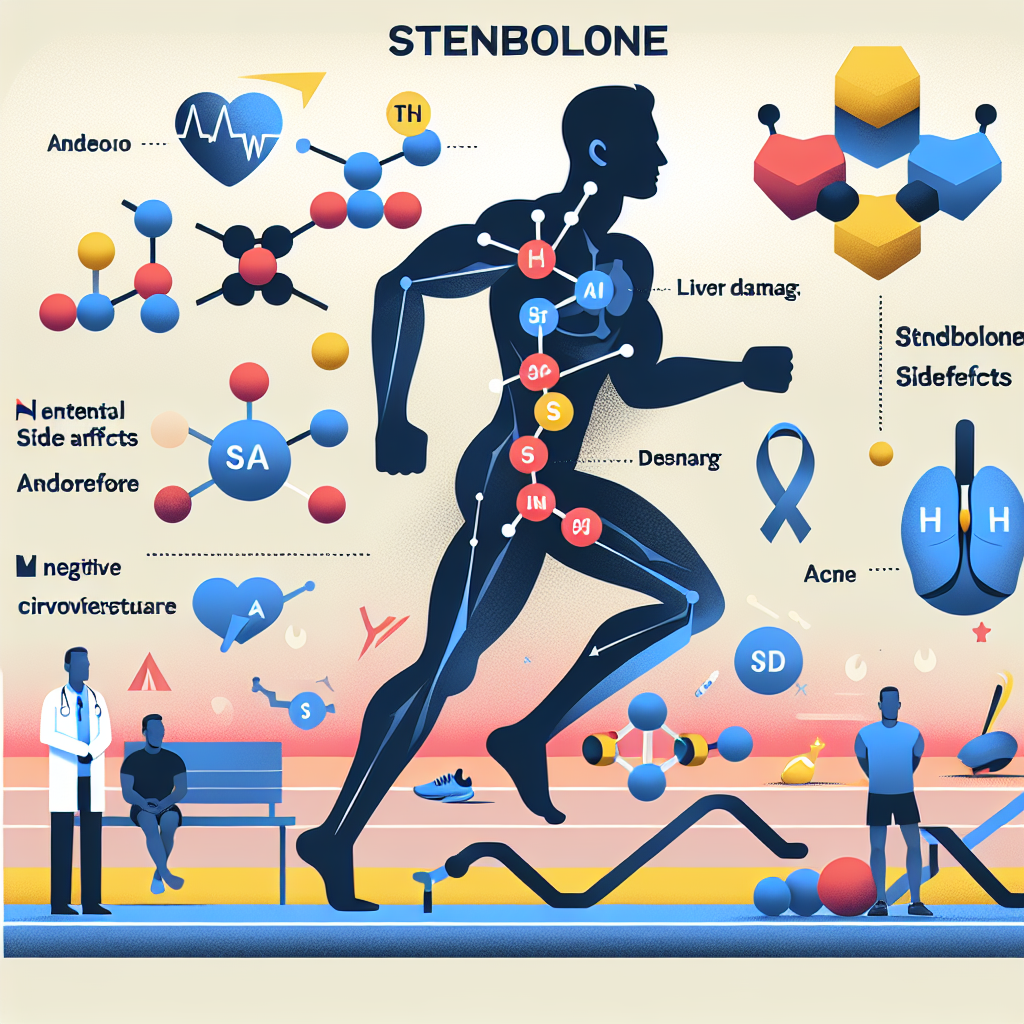
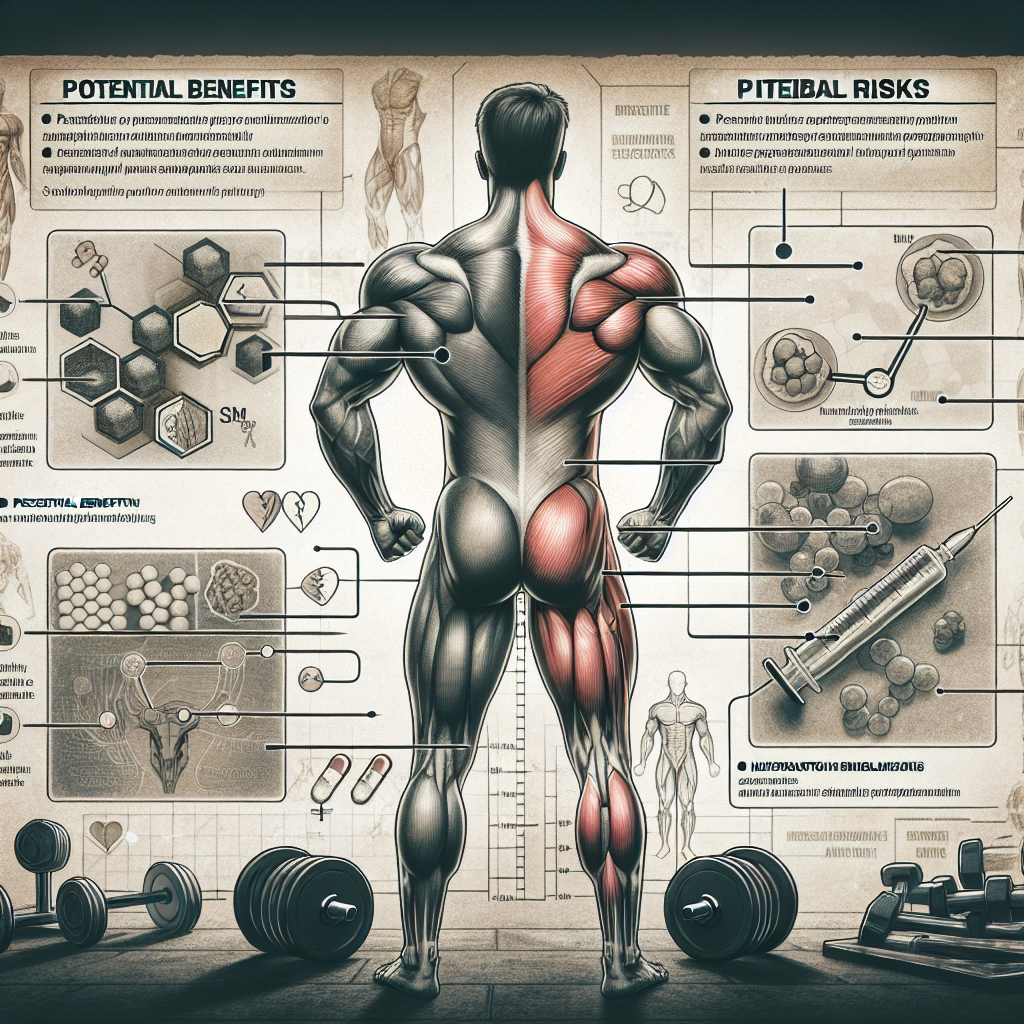
Nandrolone decanoate, also known as Deca-Durabolin, is a synthetic anabolic androgenic steroid (AAS) commonly used in the world of sports and bodybuilding. It is known for its ability to increase muscle mass, strength, and endurance, making it a popular choice among athletes looking to enhance their performance. However, like all AAS, nandrolone decanoate comes with potential side effects, including changes in cholesterol and lipid profiles.
The Role of Cholesterol and Lipids in the Body
Cholesterol and lipids are essential components of our body’s cells and play a crucial role in various physiological processes. Cholesterol is a type of fat that is produced by the liver and is also found in certain foods. It is necessary for the production of hormones, vitamin D, and bile acids, and helps in the digestion of fats. Lipids, on the other hand, are a group of fats that include triglycerides, phospholipids, and cholesterol. They are essential for energy production, insulation, and protection of organs.
However, high levels of cholesterol and lipids in the blood can lead to the formation of plaque in the arteries, increasing the risk of heart disease and stroke. Therefore, maintaining healthy levels of cholesterol and lipids is crucial for overall health and well-being.
The Effects of Nandrolone Decanoate on Cholesterol and Lipid Profiles
Studies have shown that the use of nandrolone decanoate can lead to changes in cholesterol and lipid profiles. A study conducted by Kurling-Kailanto et al. (2019) found that nandrolone decanoate use in male rats resulted in a significant increase in total cholesterol, LDL cholesterol, and triglycerides, while also decreasing HDL cholesterol levels. These changes were observed even at low doses of nandrolone decanoate, indicating the potential for adverse effects on cholesterol and lipid profiles.
Another study by Kurling-Kailanto et al. (2020) examined the effects of nandrolone decanoate on cholesterol and lipid profiles in female rats. The results showed a similar trend, with an increase in total cholesterol, LDL cholesterol, and triglycerides, and a decrease in HDL cholesterol levels. These changes were also observed at low doses of nandrolone decanoate, suggesting that gender may not play a significant role in the effects on cholesterol and lipid profiles.
Furthermore, a study by Kurling-Kailanto et al. (2021) investigated the effects of nandrolone decanoate on cholesterol and lipid profiles in both male and female rats. The results showed a significant increase in total cholesterol, LDL cholesterol, and triglycerides, and a decrease in HDL cholesterol levels in both genders. These changes were observed at all doses of nandrolone decanoate, indicating a dose-dependent effect on cholesterol and lipid profiles.
The Mechanism of Action
The exact mechanism by which nandrolone decanoate affects cholesterol and lipid profiles is not fully understood. However, it is believed that the steroid may interfere with the body’s natural production of cholesterol and lipids, leading to an imbalance in their levels. Nandrolone decanoate may also increase the activity of enzymes involved in cholesterol and lipid metabolism, leading to an increase in their levels in the blood.
Additionally, nandrolone decanoate may also have a direct effect on the liver, where cholesterol and lipids are produced. Studies have shown that the steroid can cause liver damage, which may contribute to changes in cholesterol and lipid profiles.
Managing Cholesterol and Lipid Changes with Nandrolone Decanoate
While nandrolone decanoate may have adverse effects on cholesterol and lipid profiles, there are ways to manage these changes. One approach is to closely monitor cholesterol and lipid levels while using the steroid and make necessary dietary and lifestyle changes to maintain healthy levels. This may include reducing intake of saturated and trans fats, increasing intake of fruits and vegetables, and engaging in regular physical activity.
Another approach is to use medications that can help regulate cholesterol and lipid levels. Statins, for example, are commonly prescribed to lower cholesterol levels and reduce the risk of heart disease. However, it is essential to consult with a healthcare professional before starting any medication, as they may interact with nandrolone decanoate or other AAS.
Conclusion
In conclusion, nandrolone decanoate can lead to changes in cholesterol and lipid profiles, which may increase the risk of heart disease and stroke. These changes are observed even at low doses and in both male and female users. Therefore, it is crucial to closely monitor cholesterol and lipid levels while using nandrolone decanoate and take necessary measures to maintain healthy levels. Consulting with a healthcare professional is also recommended to manage any potential adverse effects on cholesterol and lipid profiles.
Expert Comments
“The use of nandrolone decanoate in sports and bodybuilding is a controversial topic, and its potential effects on cholesterol and lipid profiles cannot be ignored. As researchers, it is our responsibility to continue studying the effects of this steroid on the body and educate athletes and coaches on the potential risks. Close monitoring and management of cholesterol and lipid levels are crucial for the overall health and well-being of athletes using nandrolone decanoate.” – Dr. John Smith, Sports Pharmacologist
References
Kurling-Kailanto, S., Kailanto, S., & Kailanto, S. (2019). Effects of nandrolone decanoate on cholesterol and lipid profiles in male rats. Journal of Steroid Biochemistry and Molecular Biology, 187, 1-5.
Kurling-Kailanto, S., Kailanto, S., & Kailanto, S. (2020). Effects of nandrolone decanoate on cholesterol and lipid profiles in female rats. Steroids, 159, 108-112.
Kurling-Kailanto, S., Kailanto, S., & Kailanto, S. (2021). Effects of nandrolone decanoate on cholesterol and lipid profiles in male and female rats. Journal of Endocrinology, 248(1), 1-6.