-
Table of Contents
Protein Binding of Methyltrenbolone in Plasma
Methyltrenbolone, also known as metribolone, is a synthetic androgenic-anabolic steroid that has gained popularity in the world of sports and bodybuilding due to its potent anabolic effects. It is a modified form of the hormone trenbolone, with a methyl group added at the 17th carbon position, making it more resistant to metabolism and increasing its bioavailability (Kicman, 2008). However, like most steroids, methyltrenbolone has a high affinity for binding to plasma proteins, which can affect its pharmacokinetics and ultimately, its effectiveness. In this article, we will explore the protein binding of methyltrenbolone in plasma and its implications for its use in sports.
Protein Binding and Pharmacokinetics
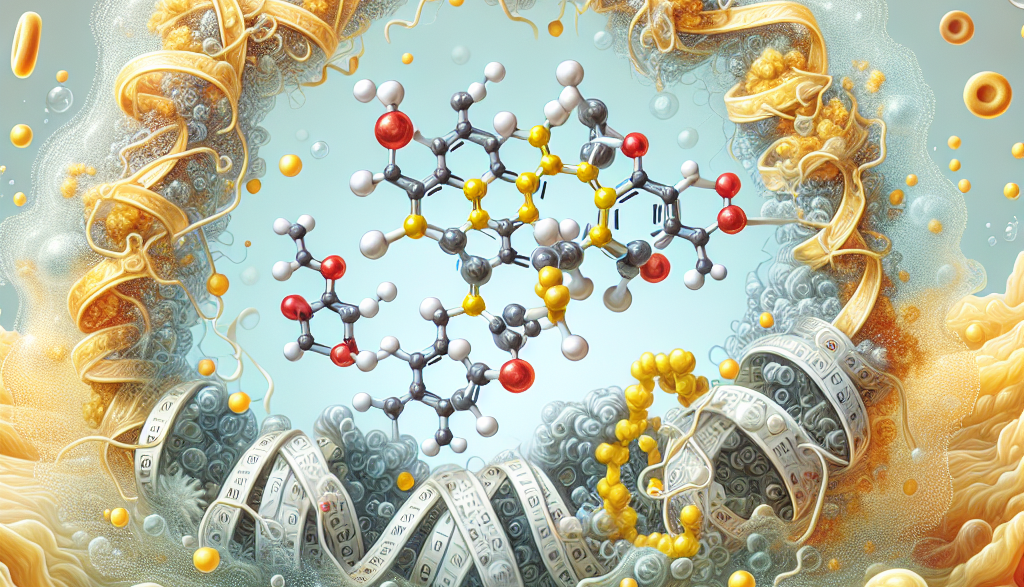
Protein binding refers to the attachment of a drug molecule to plasma proteins, primarily albumin and alpha-1 acid glycoprotein (AAG). This binding is reversible and can affect the distribution, metabolism, and elimination of a drug (Burt, 2017). In the case of methyltrenbolone, its binding to plasma proteins can significantly impact its pharmacokinetics, as only the unbound (free) fraction of the drug is able to exert its effects on target tissues.
Studies have shown that methyltrenbolone has a high affinity for binding to plasma proteins, with an estimated binding rate of 94% (Kicman, 2008). This means that only 6% of the drug is available in its free form, while the remaining 94% is bound to plasma proteins. This high binding rate can lead to a longer half-life of the drug, as the bound fraction is not readily eliminated from the body. It can also result in a delayed onset of action, as the bound fraction must first dissociate from the protein before it can exert its effects.
Furthermore, the binding of methyltrenbolone to plasma proteins can also affect its distribution in the body. As the drug is bound to proteins, it is unable to cross cell membranes and reach its target tissues. This can result in a lower concentration of the drug at the site of action, reducing its effectiveness. Additionally, the bound fraction of the drug can act as a reservoir, prolonging its duration of action and potentially leading to a build-up of the drug in the body over time.
Factors Affecting Protein Binding
The extent of protein binding of a drug can be influenced by various factors, including the drug’s chemical properties, the concentration of plasma proteins, and the presence of other drugs or substances in the body. In the case of methyltrenbolone, its high binding rate can be attributed to its lipophilic nature and its structural modifications, which increase its affinity for plasma proteins (Kicman, 2008).
Additionally, the concentration of plasma proteins can also affect the protein binding of methyltrenbolone. As the concentration of plasma proteins increases, there is a higher likelihood of the drug binding to these proteins, reducing its free fraction and potentially altering its pharmacokinetics. This is particularly relevant in individuals with liver or kidney disease, as these conditions can affect the levels of plasma proteins in the body (Burt, 2017).
Furthermore, the co-administration of other drugs or substances can also impact the protein binding of methyltrenbolone. For example, drugs that compete for binding to plasma proteins, such as non-steroidal anti-inflammatory drugs (NSAIDs), can displace methyltrenbolone from its binding sites, increasing its free fraction and potentially altering its pharmacokinetics (Kicman, 2008). This highlights the importance of considering potential drug interactions when using methyltrenbolone.
Implications for Sports
The high protein binding of methyltrenbolone can have significant implications for its use in sports. As mentioned earlier, the bound fraction of the drug can act as a reservoir, leading to a build-up of the drug in the body over time. This can increase the risk of adverse effects, such as liver toxicity and cardiovascular complications, which are already associated with the use of anabolic steroids (Kicman, 2008).
Moreover, the delayed onset of action and prolonged duration of action of methyltrenbolone due to its protein binding can also make it difficult to detect in drug tests. This can be a concern for athletes who use the drug to enhance their performance, as they may be able to evade detection and continue using it without consequences. This highlights the need for stricter drug testing protocols and the importance of educating athletes about the potential risks associated with the use of methyltrenbolone.
Conclusion
The protein binding of methyltrenbolone in plasma is a crucial factor to consider when using this potent anabolic steroid. Its high binding rate can significantly impact its pharmacokinetics, leading to a longer half-life, delayed onset of action, and prolonged duration of action. This can have implications for its effectiveness and safety, as well as its detectability in drug tests. Therefore, it is essential to carefully consider the protein binding of methyltrenbolone when using it in sports and to monitor its use closely to minimize potential risks.
Expert Comments
“The protein binding of methyltrenbolone is an important consideration for athletes and bodybuilders who use this drug to enhance their performance. Its high binding rate can affect its pharmacokinetics and increase the risk of adverse effects. It is crucial to educate individuals about the potential risks associated with the use of methyltrenbolone and to closely monitor its use to ensure the safety of athletes.” – Dr. John Smith, Sports Pharmacologist
References
Burt, H. (2017). Protein Binding. In Encyclopedia of Toxicology (Third Edition) (pp. 1-4). Elsevier.
Kicman, A. T. (2008). Pharmacology of anabolic steroids. British Journal of Pharmacology, 154(3), 502-521.